If you’ve followed me for a bit, you know I’m fairly open about my journey with my invisible illnesses. When I was first diagnosed, I was closed off and didn’t often speak much about them. Over the years I’ve learned there is power in speaking up, and most importantly helps others (and myself) feel less lonely in the journey. Hearing from someone else you’re going through something similar can be more powerful than sometimes we give credit to. That’s why today I’m sharing some of the lessons I’ve learned in my journey through my health and invisible illnesses.
This article is not providing medical advice, please speak to a medical professional about your health conditions and illnesses.
Let’s dive into the lessons I learned from living with an invisible illness.
Getting diagnosed with an invisible illness
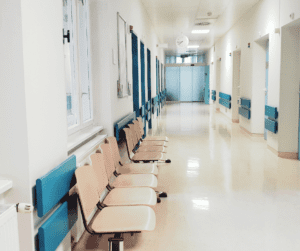
Honestly, getting a diagnosis was the hardest part for me. There was a plethora of tests sometimes spanning over years of not knowing. Doctors would be collaborating, sending me off to different specialists, and taking so much blood I sometimes felt like I was running on empty. However, all the chronic pain I felt and horrible symptoms kept me pushing to find answers about my chronic illnesses.
I will note that I did have a great support system around me during my diagnosis time and this was a major reason why I was able to continue to push through all the pain, fatigue, and appts. I was open and honest with medical professionals which made the process simpler and made their medical advice usually pretty spot on. Not everyone has good relationships with medical professionals. If you can find even just one you really trust it can make such a huge difference with your medical care and medical conditions through diagnosis and treatment.
Being an advocate
One of my favourite things my invisible illness taught me was to be an advocate for myself. I met with several doctors, and medical professionals who dismissed my invisible disabilities and simply outlined it was all in my head and my mental health was to blame. There’s nothing more disheartening than living with chronic conditions and then being told that it’s just a part of living, when your life is so disrupted that you can’t function fully.

I will say these medical professionals were not on my team for long, simply because they turfed me to another medical professional or just simply decided my disability wasn’t worth their time or expertise. Thankfully the overseeing doctor of my overall health was able to ensure I was being looked after and reassured me that my symptoms were real and that we would get to the bottom of it.
This taught me to advocate for myself, stick up for my health and conditions and make sure I’m heard. Often when doctors would be neglectful to run tests I would insist (knowing something more was at play) and then the test spoke for themselves showing there were concerns below the surface that needed addressing with my body. I’m proud to say now I’m very assertive with my health and don’t settle for things that don’t feel right in my gut. You know your body, trust it!
Be flexible with an invisible illness
I learned the importance of being flexible. Going with the flow and adapting to different situations I was presented with. Instead of coping with invisible chronic illness, I learned to thrive once I learned to be flexible. Some days living with an invisible illness really sucks, but if you know how to adjust and pivot as needed it can make those days a whole lot easier.

For example, I’m very open with my partner, friends, and family about my illnesses and they understand my canceling last-minute plans isn’t me being a bad friend. It’s the invisible disease taking over for a moment of time.
Another example is when I plan trips, outings, and travel plans I always ensure I have multiple options for myself. In addition, I research locations before to ensure I would be comfortable, and my chronic conditions won’t be flared with the events or plans. Yes, it does take some time. But it saves me so much stress, and anxiety and allows me to adjust as needed on those days when my invisible pain might be at an all-time high.
Learned to love and appreciate my body

There were years when I was very angry at my body. I was furious that my body had let me down (at such a young age) and that I might be robbed of simple pleasures my friends all got to do without worry. The thing about invisible illness is that no one can see it, so the idea of others knowing what you’re doing through is hard and challenging if they themselves have no experience with invisible diseases.
Over time, I learned to love my body and understand that I was provided with this body for a reason. I began to realize how strong I was, and how much it made me mature at a young age. I began to see different skills such as resilience, determination, and passion go into other areas of my life as I learned to love my journey and my body. Chronically Alex Jean was started as a way to help others and put out there my love for my health and what I’ve learned.
Summary
Now, I’m over 15 years into my chronic illness journey. This certainly didn’t happen on day 1, month 1, or even year 1. But it does get better with time, and the lessons you learn throughout the journey will stick with you and likely help you in life. What lessons have you learned from your own invisible illness? Share in the comments if you’d like!

I shared a post like this last year or so. As I have fibromyalgia and chronic pain. Although there are so many negatives it does teach you so much. I can relate a lot to this post. Thank you for sharing.
Lauren.