Introduction
As a chronic migraineur, I’ve tried just about everything to relieve the pain—including a muscle relaxer for migraine pain. Migraines can be relentless, and when traditional treatments don’t provide enough relief, exploring different options becomes necessary. Muscle relaxers are sometimes prescribed for migraine management, but do they actually work? Let’s dive into the details.
Disclaimer: This article is for informational purposes only and is not a substitute for professional medical advice. Always consult a health care provider to discuss your treatment plan, migraine medications, and overall migraine management. Please seek medical attention if you’re having emergency related symptoms.
What Is a Migraine?
Migraines are more than just headaches—they are a neurological condition that can be severely debilitating. Unlike regular chronic tension headaches, migraines involve a complex interaction between nerves, blood vessels, and brain activity, often leading to severe pain and other distressing symptoms.
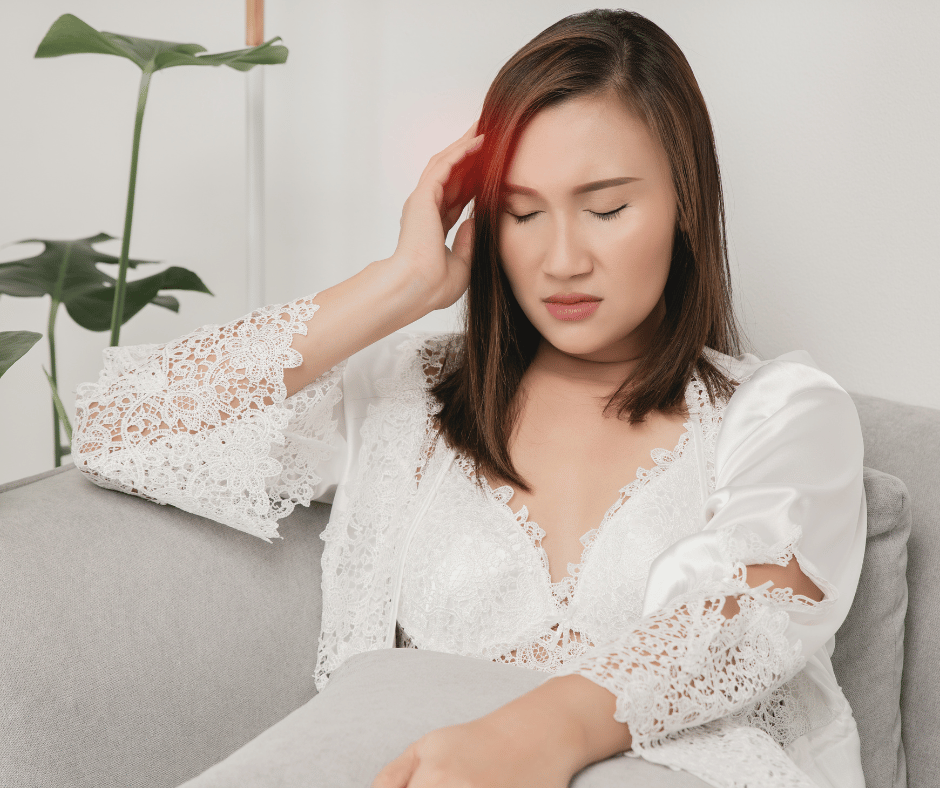
Not All Migraines Are the Same
One important thing to understand about migraines is that they are not a one-size-fits-all condition. Even within the same person, migraine attacks can differ in intensity, headache symptoms, and duration. Some migraines come with aura, while others don’t. One day, you might experience migraine pain with extreme neck pain, and another time, nausea and dizziness might be your primary symptoms.
Additionally, while migraine headaches are common, there are different types, such as:
- Chronic tension headaches – Often confused with migraines, these cause persistent head pressure and discomfort.
- Cluster headaches – A rare but excruciating type of headache that occurs in cycles and can be mistaken for a severe migraine.
- Medication overuse headaches – Also known as rebound headaches, these develop from frequent use of nonsteroidal anti-inflammatory drugs (NSAIDs) or other pain relievers.
Because migraines vary so much, tracking your symptoms is key to understanding patterns, potential triggers, and what treatments work best for you.
Common Migraine Symptoms
While no two migraines are exactly alike, these are some of the most commonly reported symptoms:
- Severe headache pain – Typically throbbing or pulsating, usually on one side of the head.
- Neck pain and stiffness – A common but often overlooked symptom of migraine.
- Sensitivity to light and sound – Bright lights and loud noises can worsen migraine symptoms.
- Nausea and vomiting – Some migraine attacks can cause extreme nausea or even lead to dehydration.
- Aura – Visual disturbances such as flashing lights, blind spots, or zig-zag lines before or during a migraine.
- Dizziness or vertigo – Feeling lightheaded or off-balance can accompany a migraine.
- Muscle spasms and tension – Especially in the shoulders, neck, and upper back, contributing to additional discomfort.
Tracking your symptoms in a journal or using a migraine-tracking app can help identify trigger points and patterns. It’s also a helpful tool when discussing your treatment plan with a health care provider to find the best preventive medications or treatment options.

Common Migraine Treatment Options
There’s no single cure for migraines, but many treatments exist to help manage them.
1. Over-the-Counter Medications
- Nonsteroidal anti-inflammatory drugs (NSAIDs) like ibuprofen and naproxen can help relieve mild to moderate migraine pain.
- Acetaminophen is another option but may not be as effective for severe pain.
2. Prescription Medications
- Triptans – Designed to stop migraines once they start by affecting serotonin levels.
- Beta-blockers & antidepressants – Often prescribed as preventive medications to reduce the frequency of migraine attacks.
- CGRP inhibitors – A newer class of migraine medications that block the release of CGRP, a protein linked to migraines.
3. Lifestyle Adjustments & Prevention
- Identifying and avoiding triggers (certain foods, weather changes, stress).
- Staying hydrated and ensuring proper nutrition.
- Maintaining a regular sleep schedule.
- Ginger Tea
- Engaging in light movement or stretching to relieve muscle spasms and tension.
Despite these treatment options, many people still struggle to find lasting relief, which leads them to explore other possibilities—like muscle relaxers. Be sure to speak to your doctor about your medical history and any adverse effects you have to medical interventions.
What Are Muscle Relaxers?
Muscle relaxers (or muscle relaxants) are medications that relieve muscle spasms, reduce tension, and promote relaxation. They work by blocking nerve signals to the brain that cause muscles to tighten.
There are two main types:
- Centrally Acting Muscle Relaxers – These affect the central nervous system and include medications like cyclobenzaprine (Flexeril), baclofen, and tizanidine.
- Peripherally Acting Muscle Relaxers – These work directly on the muscles and are used more for conditions like spasticity.
Muscle relaxers are commonly prescribed for conditions like chronic pain, chronic tension headaches, and injuries—but are they effective for migraine headaches?

Alternative Treatments to Muscle Relaxers for Migraine-Related Muscle Tension
If someone is dealing with neck pain, muscle spasms, or tight trigger points but doesn’t want to take muscle relaxers, what else can they try? Here are some natural alternatives that may help relieve tension and improve quality of life:
- Massage therapy – Helps release tight muscles that may contribute to headache pain and migraine pain.
- Acupuncture – Some migraine sufferers find acupuncture beneficial for reducing both migraines and associated muscle tension.
- Physical therapy – A health care provider or physical therapist can provide targeted exercises to strengthen the neck and reduce tension-related headaches. This is particularly helpful for those with chronic tension headaches.
- Foam rolling or stretching – Gentle daily movement can prevent chronic pain and chronic migraine symptoms from worsening and may help relax trigger points before they lead to a migraine.
- Heat or cold therapy – Applying a warm compress to the neck and shoulders or a cold pack to the forehead can relieve both headache symptoms and muscle tightness.
These approaches won’t replace migraine medications for migraine episodes, but they can be a valuable part of a holistic treatment plan.
Final Thoughts on Muscle Relaxer for Migraine
Muscle relaxers for migraines may provide some relief, especially for those who experience muscle spasms and chronic pain as part of their attacks. However, they are not a first-line treatment and should only be used under the guidance of a health care provider.
If you’re struggling with chronic tension headaches, headache pain, or migraine headaches, speak to your doctor about personalized treatment options. In the meantime, combining preventive medications, lifestyle changes, and natural remedies can help create a well-rounded migraine management plan.
Have you tried muscle relaxers for migraines? Let me know your experience in the comments!
