When living with Crohn’s disease, a type of inflammatory bowel disease, it can feel overwhelming to figure out what foods are safe to eat. I know firsthand how challenging it can be to manage ibd symptoms during a Crohn’s flare-up. Over the years, I’ve discovered that some foods work well for me, while others trigger abdominal pain or discomfort.
It’s important to note that everyone’s journey with Crohn’s disease is different, and what works for one person may not work for another. Some foods that feel safe one day might not work the next. It’s often a game of trial and error and keeping a food diary to identify your personal triggers.
Here’s a list of good choices I’ve found helpful in managing my disease flares. Always remember to consult a healthcare provider for dietary advice tailored to your specific needs.
Disclaimer: This post is not medical advice. It is based on my personal experience with Crohn’s disease and is intended to provide helpful information and ideas.
What Is Crohn’s Disease?
Crohn’s disease is a chronic condition and a type of inflammatory bowel disease that causes inflammation in the digestive tract. This inflammation can lead to a variety of symptoms, including abdominal pain, diarrhea, fatigue, weight loss, and malnutrition. For many, it’s a lifelong condition that requires careful management to reduce Crohn’s disease symptoms and improve quality of life.
Because Crohn’s is a chronic condition, it’s crucial to work with a healthcare provider to develop a tailored Crohn’s disease diet that meets your nutritional needs and minimizes symptom flare-ups.
Diet plays a major role in managing food choices and avoiding triggers. While there isn’t a one-size-fits-all solution, certain foods can help calm the digestive system, while others—like greasy foods or foods with much fiber—may aggravate symptoms. The best way to determine what works for you is by experimenting with a food diary and speaking with your doctor or dietitian about foods to eat with crohn’s disease.
1. Cooked Carrots
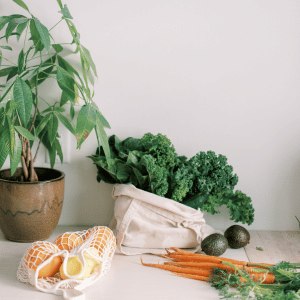
Cooked carrots are a great option when managing a Crohn’s flare-up. They are easy to digest and packed with nutrients like vitamin C, potassium, and calcium. Make sure to remove the skin and cook them until tender to avoid irritating your digestive tract.
You can add carrots to soups, mash them, or enjoy them as a side dish. Their low insoluble fiber content makes them a safe choice for soothing your gut.
2. White Rice
White rice is a simple, easily digestible food that’s perfect for those experiencing ibd symptoms or abdominal pain. It’s low in insoluble fiber, which makes it easier on the digestive system compared to whole grains.
For me, white rice is a lifesaver during flares. Pair it with steamed or roasted vegetables (if tolerated) or a protein source like chicken or fish for a well-balanced diet that’s gentle on your stomach.

3. Low-Fiber Bread
Soft, low-fiber bread like sourdough or white bread can be a safe option for people with Crohn’s. Avoid whole grains or breads with seeds, as they can irritate your digestive tract.
If you’re wondering about pizza, the crust may be safe, but toppings like red meat, cheese, and vegetables can be problematic for some. Stick to simple breads with minimal spreads like jam or nut butter (if tolerated).
4. Fish
Fish, particularly those high in omega-3 fatty acids, like salmon, tuna, and mackerel, is a great option for reducing inflammation. These healthy fats support your immune system and can help calm disease flares.
If you’re not a fan of fish, you can still benefit from omega-3s by incorporating olive oil into your cooking or salads.
5. Bananas
Bananas are a classic choice for soothing the digestive system. They’re soft, easy to digest, and rich in nutrients like potassium. Bananas can help replenish electrolytes, especially if Crohn’s symptoms like diarrhea lead to weight loss or dehydration.
You can enjoy bananas on their own, sliced into oatmeal, or blended into a smoothie.

6. Yogurt
Yogurt, especially Greek yogurt with live and active cultures, is a great way to support gut health. It contains probiotics that can promote a healthier gut microbiome and aid in digestion.
If you have trouble tolerating dairy products, look for lactose-free yogurt or non-dairy options with added probiotics. Avoid toppings like raw vegetables or granola, as these can be difficult to digest.
7. Avocados
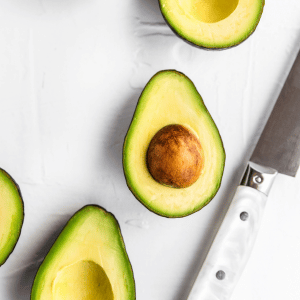
Avocados are packed with healthy fats, antioxidants, and nutrients that can help reduce inflammation and support a nutritious diet. They’re also soft and easy to digest, making them a good choice during flares.
I recommend adding avocado to smoothies, spreading it on toast (made with low-fiber bread), or incorporating it into mild dishes like mashed potatoes.
8. Cooked Oatmeal
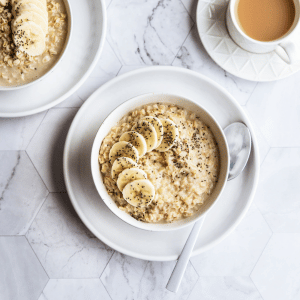
Oatmeal is another great breakfast option that is gentle on the stomach and provides soluble fiber, which helps soothe the digestive tract.
For convenience, you can prepare overnight oats with dairy-free milk or cook oatmeal on the stovetop. Top it with banana slices or a drizzle of honey for added flavor without triggering symptoms.
9. Skinless Chicken or Turkey
Lean proteins like skinless chicken or turkey are staples in a healthy diet for people with Crohn’s disease. They’re easy to digest and less likely to irritate the gut compared to red meat or fatty foods.
You can bake, grill, or poach the meat and pair it with a side of white rice or cooked vegetables for a well-balanced diet.

10. Smoothies
Smoothies are a lifesaver when you’re in a Crohn’s flare-up and need a quick, nutrient-packed meal. Use ingredients like bananas, lactose-free milk or yogurt, and a handful of cooked or peeled fruits for a digestive-friendly option.
If you’re missing your favorite leafy greens during a flare, you can lightly steam spinach or kale and blend it into your smoothie for a boost of nutrients without the irritation caused by raw vegetables.
5 Simple Smoothie Recipe Ideas
Smoothies are one of the best foods for people with Crohn’s disease during a flare or even for maintaining overall health. They’re easy to digest, packed with nutrients, and customizable based on your dietary needs. They’re also a good idea for getting nutrients in smaller portions when you’re not feeling up to eating full meals.
Here are five simple smoothie ideas you can try:
1. Banana Oat Smoothie
This smoothie is gentle on the stomach, and oats provide soluble fiber to soothe your digestive tract.
Ingredients:
- 1 ripe banana
- ½ cup cooked oats (cooled)
- 1 cup lactose-free milk or almond milk
- 1 tsp honey or maple syrup
- A pinch of cinnamon
Instructions:
Blend all ingredients until smooth. Serve chilled or over ice for a refreshing breakfast option.
2. Avocado Mango Smoothie
This creamy smoothie is full of healthy fats from avocado and the sweetness of mango for a nutrient-packed treat.
Ingredients:
- ½ ripe avocado
- 1 cup frozen mango chunks
- 1 cup lactose-free yogurt or coconut yogurt
- ½ cup water or almond milk
Instructions:
Combine all ingredients in a blender. Blend until creamy and smooth.
3. Blueberry Spinach Smoothie
Spinach is one of the best foods for adding gentle greens to your diet, and blueberries are full of antioxidants.
Ingredients:
- 1 cup fresh or frozen blueberries
- 1 handful baby spinach (lightly steamed if raw greens are an issue for you)
- 1 cup lactose-free milk or oat milk
- 1 tsp honey (optional)
Instructions:
Blend everything together until well mixed. Add more milk for a thinner consistency.
4. Strawberry Banana Smoothie
A classic favorite! Strawberries and bananas are a gentle combination and great for those with lactose intolerance.
Ingredients:
- 1 ripe banana
- 1 cup frozen strawberries
- 1 cup lactose-free milk or rice milk
- 1 tbsp peanut butter (smooth)
Instructions:
Blend all ingredients together and serve immediately. Adjust sweetness with a bit of honey if desired.
5. Peach Ginger Smoothie
This smoothie is a great choice if you’re dealing with nausea or bloating. Ginger helps soothe digestion, and peaches are gentle on the stomach.
Ingredients:
- 1 cup sliced peaches (fresh or frozen, skin removed)
- 1 tsp grated fresh ginger
- 1 cup lactose-free yogurt or coconut milk
- ½ cup cold water
Instructions:
Blend everything until smooth. Serve over ice for an added refreshing touch.

Why Smoothies Are a Good Idea for Crohn’s
Smoothies are an easy way to incorporate nutrients into your Crohn’s disease diet while avoiding common triggers.
Using lactose-free options, smaller portions, and gentle ingredients like bananas, yogurt, and oats can make them a soothing option during a Crohn’s flare-up.
They’re also versatile, making it easy to adapt recipes to suit your personal preferences and needs.
Not a smoothie person? Try our IBD tea guide here!
Foods to Avoid
While finding specific foods that work for you is key, it’s equally important to know what to avoid. Foods high in insoluble fiber, fatty foods, spicy dishes, and dairy products (if you’re lactose intolerant) are common culprits. Keeping a food diary can help you pinpoint triggers and create a more personalized healthy diet.
Summary
Learning what foods to eat with Crohn’s disease is a journey of trial and error. These 10 foods—like cooked carrots, white rice, and yogurt—are examples of good choices that can provide nutrients without irritating the digestive system.
Remember, Crohn’s disease is unique for each person. Always consult with your healthcare provider to develop a well-balanced diet that works for you. I hope this list has provided helpful information and ideas to help you manage your ibd symptoms and maintain a nutritious diet even during disease flares.

Leave a Reply