Migraines suck. There I said it. Do you know what’s one of the worst things on top of the massive list of symptoms you can experience with each migraine? For me, it’s migraine light sensitivity, which is often brought on by light exposure.
Natural light and fluorescent lights affect people with photophobia in different ways. If you’re a migraine sufferer wanting to learn more about why you are maybe more light-sensitive with some migraine headaches then this post is for you.
Let’s dive into learning more about symptoms of light sensitivity.
This post in no way is providing medical advice, please speak to a headache specialist such as a neurologist about your migraine episodes and treatment plans.

Photophobia & Migraine Light Sensitivity
Migraine light sensitivity is called photophobia, and it affects around 80% of migraine sufferers. Its symptoms can range from mild eye pain and mild annoyance to having lights on, to you needing to lay down in a pitch-black room to feel relief from headache pain.
Light sensitivity can follow a person throughout an entire migraine, or it can appear during specific stages of a migraine. For example, it can come on during your pre-attack or prodrome when you begin to feel annoyed with lights before the migraine attack has begun.
This can then pass as the migraine progresses. Whereas for others, the sensitivity to lights continues until postdrome, or the migraine hangover concludes. This is a common symptom for more migraine patients, and even a common symptom with traumatic brain injury too (concussions).
Everyone is different, and every migraine can be different. Visual disturbances in your eyes are no photophobia, that is a mirage aura which is its own type of migraine. Those who live with migraines with aura can experience photophobia from light sources.
Is Migraine Light Sensitivity a Symptom or a Trigger?
It can be both! For some people being in overhead fluorescent lights for long periods of time can be a migraine trigger for them. While others light only when they are experiencing a migraine and head pain.
A migraine trigger is something that causes a migraine to be brought on or is more likely to bring about a migraine attack when interacting with that trigger.
For some people, food, sleep, stress, weather, temperature, lights, alcohol, and medication can be a trigger. Light is actually common, it’s been reported that 1/3rd of migraineurs are triggered by lights.
Light sensitivity can be caused by:
- Blue Light
- Fluorescent Lights
- Flashing Lights
- Changing in lighting
- Glare from computer monitors and screens
- Sunshine

Light Sensitivity Symptoms
Common light sensitivity symptoms can include, among other migraine symptoms:
- Headache
- Squinting
- Eye Pain
- Eyestrain
- Nausea
- Eye rubbing
- Dizziness
This list is not exhaustive of every possible symptom, however, outlines the most common with light triggers and light-sensitive migraines.
Treatment Options
There are quite a few options ways to treat migraine light sensitivity at home, at work, or when you’re out and about. Each individual migraineur is unique and what works for one person may not work for everyone who lives with light-sensitive headaches.
It can be common to begin to have a fear of light with your headache disorders or stay away from bright sunlight. There are ways to help reduce how light-sensitive you are and to help with these types of tension headaches.
Please speak with a medical professional about your neurological conditions and chronic migraine treatment options. Below are suggestions to help with environmental factors.
Using Lamps
When possible in your office, and home space use lamps if you find overhead lighting gives you a migraine. Where possible using dimmer switches can also help with reducing the amount of light.
We didn’t want to change out all our light switches so we purchased dimmable smart bulbs around the house that I can control with my phone or voice before I enter a room. As well in your office, if you have a private office space you can utilize floor lamps as opposed to overhead lighting, or desk lights to help reduce the amount of light in your space.
Blue Light Blocking Lenses
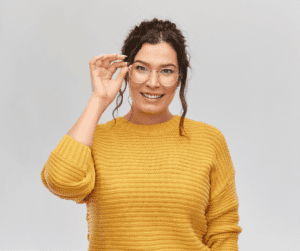
You can purchase blue light-blocking glasses from your eye doctor, from an eyewear shop, or from the web such as Amazon. These will help reduce the strain and glare on your eyes when looking at TVs, Phones, Computer Screens, and Electronic Devices with screens.
Computer & Electronic Dark Modes
I use the program called F.Lux to help reduce the brightness on my screen and turn all phones and laptops to dark mode for my colour options to help as well.
Theraspecs
Theraspecs have been incredible for me, they’re specific glasses dedicated for when you’re in overhead fluorescent light spaces. They reduce the light from reaching your eyes and are designed specifically for migraineurs with photophobia.
They have been a lifesaver and I use them for conferences, common meeting spaces, malls, grocery shopping, and anywhere I cannot control the lights! With these glasses, I’ve had an incredible reduction in my migraines triggered by lights.
Botox Injections
For a couple of years, I had Migraine Botox prescribed for me. Botox helps with blocking the neurotransmitters that carry pain signals to your brain and can last up to two months, and most people get their injections done every 3 months. I did not find the procedure painful, and it did provide me relief from migraine pain.
Cool Towel & Medication
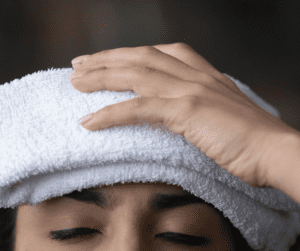
For some migraines even when you do all the right things and avoid all the possible triggers you can, it can still strike with light sensitivity. When this happens I find laying in a dark room with a cool towel over my eyes really helps. You can use this with essential oils as well. As well as ensuring you take any medication as needed for your attack. Electrolytes can be helpful with this as well.
Here are some simple tips to help with reducing dehydration and migraine symptoms which can occur with light sensitivity.
Summary
Migraine pain can be absolutely horrible, however, there are things you can do to help with potentially reducing the pain. I hope this post gave you some ideas on how to reduce migraine light sensitivity pain and help to understand more about how to control the lights in your environment when possible!
As I mentioned above, this is not medical advice and I encourage you to speak to a medical professional about your own migraine treatment plan and medication recommendation.

I had no idea that Botox can help with migraines. Thanks for these tips and suggestions!
xoxo
Lovely
Thank you so much for this post! I’ve suffered from migraines with visual aura from age 9. For me, it’s all about the lenses. I do blue lenses, plus also sunglasses a great deal! People have often asked why I wear sunglasses when it’s cloudy, or even raining, lolol.
Interesting read. I suffer from bad headaches, but not migraines as I can sleep them off. My husband’s are worse, and I think his are probably migraines but we’re not sure of the trigger on his.
It’s so interesting to hear you talk about getting Botox – here in the US, it’s so hard to qualify for Migraine botox, but I’ve heard it helps immensely.
I suffer from this so it was so useful to read your post; you’ve given me some really great information and ideas as I sometimes don’t know what to do to make light sensitivity better/reduced.
This is such a great post, thank you SO much for sharing it with us lovely. I myself have suffered with migraines for years now and light sensitivity is a huge symptom of mine. I use to wear sunglasses around the house to help try and relieve the awful pain behind my eyes! I now have botox every three months which I’ve found to work amazing but still get a chronic migraine every now and then. You’ve shared some great treatment options here which I’ll be passing onto friends and family who also suffer with migraines. Great post! Xo
Elle – ellegracedeveson.com
I’m glad this post could be helpful for you – if you have a migraine specialist or neurologist definitely speak to them to find out if it’s a viable treatment option for you and your health!
I hear ya! I’m so glad this was helpful and I’m the same with my theraspecs I always get some odd looks but I feel oh so much better with them on! I’m glad you’ve found what works best for you and sending positive healthy vibes your way!
Thanks, Emma, I’m glad this post could be thought-provoking and give you some ideas to help get head pain relief!
Thanks, Katie – it’s definitely something that speaking to your neurologist about can help. It’s a long process in Canada too but a good neurologist can definitely help with making the process go as quick as it can! Thanks for reading!
Thanks, Molly – I’m glad this was a good post and gave some information and ideas! I hope it helps with reducing your head pain with lights.
Thanks, Elle – I’m so glad to hear this was such a helpful post for you. Amazing to hear botox has helped you and I hope your chronic migraines keep at bay as much as they can! 🙂
When I get migraines, light sensitivity (& sickness) are my main symptoms. I like to wear blue glasses or sunglasses! Definitely a cold towel too x
I’m sorry to hear you also live with light sensitivity with migraines – I’m glad to hear you’ve found something that are helpful with reducing your symptoms! Wish you well in health.