Many years ago, I learned that reaching for an electrolyte drink, such as Gatorade, was one of the best things I could do for my migraines! I’m a chronic migraineur who has been having migraines since my early teens.
When first diagnosed, I was searching for any kind of relief. I found an article on Pinterest that outlined that sports drinks were perfect for migraine attacks. Now, I know about dehydration headaches and how dehydration is a common symptom for many of us with migraines. But sports drinks hadn’t crossed my mind.
But now, I’ll never go back to not using them to help with my headache pain. Why? Let’s dive in.
What is a Migraine?

Migraines are a neurological disease brought on by a variety of triggers, which can include environmental factors, food, stress, sleep disturbances, hormones, and even physical activity. They are thought to be caused by abnormal brain activity that affects nerve signals and changes in blood vessels.
This results in moderate to severe pain, often on one side of the head. Other symptoms can include nausea, sensitivity to light, sound, and touch, dizziness, visual disturbances, and more. Migraines vary greatly in duration, lasting minutes, hours, or even days, and can significantly disrupt everyday life.
Some migraines can be managed at home, while others may require medical intervention. They are a debilitating condition that requires careful management, and understanding your triggers and treatment options is key to relief.
What Are Electrolytes and Why Are They Important for Migraines?
Electrolytes are essential minerals—such as sodium, potassium, calcium, and magnesium—that play a vital role in keeping the body functioning properly. They regulate body functions like muscle contractions, nerve signaling, and maintaining blood volume. For those of us with migraines, these minerals also help stabilize the migraine brain, which can be sensitive to even small imbalances.
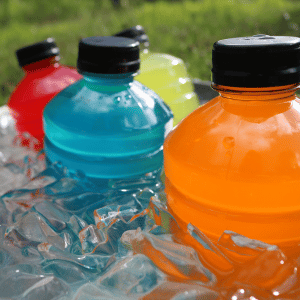
An electrolyte imbalance can occur when your body loses too many electrolytes through sweat, illness, or inadequate hydration. This is where electrolyte drinks or an oral rehydration solution can make a noticeable difference, especially during migraine episodes when staying hydrated might feel difficult.
The good news is that replenishing electrolytes for migraines can help restore electrolyte balance, which in turn supports hydration and may reduce the duration and intensity of migraines. While plain water is important for water intake, adding electrolytes can pack a punch when addressing signs of dehydration like nausea, dizziness, and headache pain.
How Many Electrolyte Drinks with a Migraine?
If you experience frequent migraines like I do, you might wonder how many electrolyte drinks are safe to have during a migraine episode. The best way to determine this is by speaking with a healthcare provider, as everyone’s needs and triggers are unique.
For myself, I stick to two electrolyte beverages per migraine at most. Sometimes I only need one, depending on my symptoms and how much water I’m naturally drinking.
Electrolytes for migraines can be a game-changer, especially when used mindfully. It’s important to read the packaging of electrolyte drinks for the recommended serving sizes. Overdoing it can lead to an electrolyte imbalance, so balance is key. Remember, electrolyte drinks should complement your hydration plan and not completely replace water intake.
I also recommend keeping electrolyte sachets in your bag or at work for quick access. These are especially useful for migraine sufferers who are often on the go or dealing with migraine episodes outside of the home.
Electrolyte-Rich Foods to Incorporate into Your Diet
While electrolyte drinks are convenient, you can also incorporate foods into your diet that naturally contain these vital minerals. Here are some great options:

- Potassium: Bananas, sweet potatoes, and spinach.
- Magnesium: Almonds, sunflower seeds, and avocado.
- Calcium: Dairy products, leafy greens, and fortified plant-based milks.
- Sodium: A pinch of table salt (in moderation) added to meals.
For example, a baked sweet potato with a drizzle of olive oil or a handful of salted almonds can go a long way in boosting your electrolyte balance.
During hot weather, when sweat increases, or after intense physical activity (think endurance athletes), these foods can help replenish lost electrolytes and prevent a dehydration headache.
If you’re unsure which foods or drinks might be safe for your migraines, work with your healthcare provider to ensure your treatment plan aligns with your needs.
So Why Gatorade for Migraines?
When experiencing a migraine, good hydration can easily be neglected. For me, it’s one of the first things I let slide. Why? I’m focused on fighting the pain and symptoms, and I often don’t think about my water intake or how it may be affecting my headache pain.
Dehydration is one of the common triggers for migraines, and during a migraine episode, it can make symptoms even worse. That’s where electrolytes for migraines come in handy. The potential benefits of these drinks lie in their ability to quickly replenish electrolytes and hydrate your body when you may not feel up to drinking plain water.
Exploring Other Migraine Relief Strategies Alongside Electrolytes
While electrolyte drinks can make a noticeable difference, they’re only part of the puzzle when it comes to migraine management. Here are a few other strategies that work well in combination:

- Stress Management
Stress is a common trigger for many migraineurs. Incorporating relaxation techniques like yoga, meditation, or mindfulness into your daily routine can reduce tension headaches and lessen migraine frequency. - Sleep Hygiene
Poor sleep can be a major cause of your headache. Focus on maintaining a consistent bedtime, avoiding screens before bed, and creating a calming nighttime routine. - Tracking Triggers
Keep a migraine journal to identify what sets off your migraine episodes—whether it’s greasy foods, bright lights, or sudden changes in weather. This can help you fine-tune your treatment plan. - Magnesium Supplements
Magnesium, which is often included in oral rehydration solutions, has been shown to help some people with migraine relief. It’s a good idea to talk to your healthcare provider about incorporating a supplement if you’re not getting enough through your diet. - Experimenting with Different Brands
Not all electrolyte drinks are created equal. If you’re sensitive to sugar or artificial sweeteners, try different brands like Biosteel, Liquid I.V., or homemade electrolyte solutions to find what works best for you.
What to Avoid Drinking with Migraines

I avoid things like herbal teas, almond milk, sugary beverages, and high-caffeine drinks, as these can dehydrate you or aggravate migraine symptoms. Beverages like dark roast coffee and alcohol can lead to low blood pressure, dehydration, or lack of sleep, worsening your migraines.
While some migraine sufferers benefit from moderate caffeine consumption, it’s important to know your personal triggers and consult with your healthcare provider.
Summary
Electrolytes for migraines play a vital role in supporting hydration, regulating body functions, and helping the migraine brain recover during and after an attack. Whether you choose drinks like Gatorade or incorporate electrolyte-rich foods, ensuring you get enough fluids is one of the best ways to manage migraine episodes effectively.
Always speak with a healthcare provider to ensure these strategies align with your individual needs and treatment plan. Remember, what works for one person may not work for another, so listen to your body and adjust accordingly.
I hope this post gave you some good news and potential benefits to help with your journey toward headache relief.

Leave a Reply