
Have you ever considered the best tea for IBS? Let me back up a second. What is IBS? IBS stands for Irritable Bowel Syndrome, not to be confused with IBD, which stands for Irritable Bowel Disease. It’s a common gut disorder that affects the stomach and intestines, collectively known as your gastrointestinal tract (GI tract).
This can be a painful disorder and can be a lifelong condition for some. It can be influenced by diet, lifestyle, environment, activity, and illness. The most common symptoms of IBS include gas, bloating, constipation, diarrhea, cramping, abdominal pain, fatigue, blood in stool, and changes in appetite.
What does this have to do with tea? Well, some of the best teas can help manage and soothe your digestive system. They can provide relief to some IBS sufferers and assist in day-to-day pain management of digestive issues. In this article, we’ll delve into the health benefits of tea, which teas are beneficial for those with irritable bowels, and which ones to avoid.
Understanding IBS and Tea

As mentioned above, IBS can be triggered by various factors, some of which are within our control, while others, unfortunately, are not. However, there are ways to help manage symptoms and reduce pain. Tea can be a great way not only to soothe an upset stomach but also to help alleviate abdominal cramping.
It’s important to reach for herbal teas and leave caffeinated teas, such as black tea, on the shelf. Herbal blends can assist in soothing the GI tract, whereas caffeinated teas can potentially exacerbate symptoms and make you feel worse. When having a cup of tea to help with IBS pain, it’s helpful to choose high-quality teas made with fresh herbs and ingredients to maximize the benefits.
Medical Disclaimer
It’s important to note that this article does not provide medical advice. Please consult with your healthcare provider or GI specialist regarding your gut health and digestive problems for specific treatment options. Tea is not a replacement for treatments and advice provided by a medical professional.

Chamomile Tea: Nature’s Calming Elixir
Chamomile tea is one the best tea for ibs! Why? Well, it is known as a digestive relaxant. This means it helps with relaxing and soothing the digestive tract. This can help aid in digestive issues such as diarrhea, bloating, and gas.
Chamomile has anti-inflammatory properties that help with soothing the large and small intestine. It can help with softening and reducing pain associated with bowel movements as well.
Peppermint Tea: Cooling Relief for IBS

Peppermint tea is one of the best herbal teas for soothing pain and improving digestive health. It not only has anti-inflammatory effects but also helps reduce abdominal and stomach pain.
As someone living with the chronic condition of Crohn’s Disease, this is one of my favorite hot drinks to turn to when I’m experiencing cramping. Again, it’s important to try to obtain organic or fresh peppermint tea to get the most benefit from this soothing tea. Peppermint tea is an excellent non-caffeinated option for reducing bowel spasms.
Ginger Tea: Warming the Gut

Ginger tea is powerful for your gut health. It helps provide relief from gastroesophageal reflux disease and is effective in reducing nausea. It’s a good option for those who experience an upset stomach, gas, or nausea due to their IBS. Ginger tea contains anti-inflammatory properties and numerous antioxidants that are great for those seeking a natural remedy for their gut and IBS symptoms.
Additionally, ginger tea is known to provide positive results for those experiencing painful bowel movements by helping to soothe and alleviate the pain. If you’re reaching for pre-packaged tea bags for ginger tea, make sure to opt for organic ingredients to make the most out of your cups of tea for IBS relief.
Fennel Tea: Digestive Harmony in a Cup
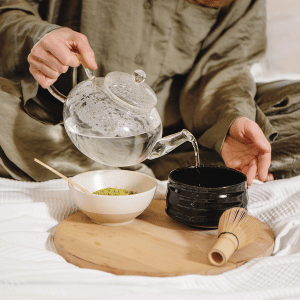
Putting fennel tea into hot water is a good idea if you’re experiencing gas and bloating. Fennel seeds are great at soothing and relieving intestinal irritation, making it an excellent choice for alleviating painful gas.
This tea is also beneficial for finding relief from stomach cramps and intestinal spasms, serving as a great herbal remedy. You can enjoy one cup a day to help with IBS and digestive symptoms relief.
Fennel tea is also rich in antioxidants and vitamins A, C, and B-complex, making it an excellent choice for overall health and one of the top teas due to its numerous health benefits. So, consider incorporating fennel tea into your routine to enhance your well-being.
Brewing and Consumption Tips
Different types of tea require different brewing times, water temperatures, and how many cups you can have a day.
- Peppermint Tea:
- Brewing Time:
- Bring water to a boil.
- Pour the boiling water over a peppermint tea bag or 1-2 teaspoons of dried peppermint leaves.
- Let it steep for about 5-7 minutes.
- Brewing Instructions:
- Use fresh or dried peppermint leaves.
- Cover the cup or teapot while steeping to trap the essential oils.
- Recommended Daily Consumption:
- You can enjoy up to 2-3 cups of peppermint tea per day for digestive relief.
- Brewing Time:
- Ginger Tea:
- Brewing Time:
- Bring water to a boil.
- Add thin slices of fresh ginger or a ginger tea bag to a cup.
- Let it steep for about 5-10 minutes.
- Brewing Instructions:
- You can adjust the steeping time to control the strength of the ginger flavor.
- Optionally, add honey or lemon for extra flavor.
- Recommended Daily Consumption:
- You can safely consume 2-3 cups of ginger tea a day for digestive benefits.
- Brewing Time:
- Fennel Tea:
- Brewing Time:
- Bring water to a boil.
- Add 1-2 teaspoons of crushed fennel seeds or a fennel tea bag to a cup.
- Let it steep for about 5-7 minutes.
- Brewing Instructions:
- Crushing the fennel seeds slightly before brewing can release more flavor.
- Recommended Daily Consumption:
- Drinking up to 2-3 cups of fennel tea daily can be beneficial for digestive issues.
- Brewing Time:
- Chamomile Tea:
- Brewing Time:
- Bring water to a boil.
- Add a chamomile tea bag or 1-2 teaspoons of dried chamomile flowers to a cup.
- Let it steep for about 5-7 minutes.
- Brewing Instructions:
- Cover the cup while steeping to retain the delicate chamomile aroma.
- Recommended Daily Consumption:
- You can enjoy 2-3 cups of chamomile tea per day for its soothing effects.
- Brewing Time:
Remember that individual tolerances may vary, so it’s essential to pay attention to your body’s response when trying new teas, especially if you have specific health concerns. If you have any underlying medical conditions or concerns, it’s advisable to consult with a healthcare professional before incorporating these teas into your daily routine.
Conclusion

In conclusion, understanding Irritable Bowel Syndrome (IBS) and its impact on your gastrointestinal health is the first step toward finding relief. The right choice of tea can be a valuable addition to your daily routine & lifestyle changes, offering soothing effects and potential aid in managing IBS symptoms.
This can help some with improving quality of life. From the digestive relaxant properties of chamomile to the cooling relief of peppermint, the warming benefits of ginger, and the digestive harmony of fennel, there’s a tea for everyone. However, it’s essential to brew these teas correctly and be mindful of daily consumption limits for the best results.
Keep in mind that while these teas can be incredibly beneficial, they are not a substitute for medical advice and traditional medicine/treatment. If you’re dealing with IBS or any digestive concerns, consult with a healthcare professional for personalized treatment options and guidance to ensure your gut health is at its best.

Leave a Reply