Living with fibromyalgia can be painful, and this chronic condition can persist throughout life. It often manifests symptoms of widespread pain, brain fog, trouble sleeping, and focusing, affecting daily routines. These are just some of the many symptoms one with fibromyalgia syndrome can experience. Many seek natural ways to remedy fibromyalgia pain and feel more comfortable going about daily tasks and interactions.
There are various remedies such as essential oils, herbs, and different foods. One of the most common natural pain remedies for varying levels of pain is heat therapy.
It’s important to pay close attention to your body and seek medical attention when needed. This article does not provide medical advice and does not replace being cared for by a licensed medical professional overseeing your fibromyalgia and treatment.

What is Heat Therapy?
Heat therapy helps with pain by applying local, regional, or widespread heat to an affected area. This can help treat damaged and sore muscles, joint pain, and soreness in the body. Heat therapy is a short-term treatment for pain and is often used in intervals such as 10, 20, or 30 minutes. It delivers heat to the source of soreness to help reduce inflammation, relax tight muscles, and provide relief from pain. Pain relief can be temporary or long-term from heat depending on how it’s used and the affected areas’ response to heat therapy. It’s important to ensure when engaging in heat therapy to check the heat against the skin first to ensure no burns will occur, and it’s not painful with how hot it is.
Precautions with Heat Therapy
There are some precautions to take into consideration when using heat. It can, in some cases, aggravate swelling and inflammation. This is often minor and is not common to be experienced by most folks with mild to moderate pain. Heat therapy shouldn’t be used if you are hot or have just engaged in physical activity. It’s also important to speak to your doctor to ensure you are using heat therapy correctly with intervals being on and off with heat. As well, as ensure heat won’t negatively interact with any treatment options or medication you are undergoing. Lastly, ensure you exercise caution with heat and ensure you don’t burn yourself.
Fibromyalgia and Heat Therapy
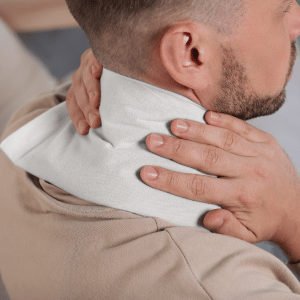
Heat therapy is used with fibromyalgia patients to help with the treatment of fibromyalgia symptoms such as restless legs syndrome and muscle aches and muscle spasms. Heat therapy helps stimulate blood flow through blood vessels. The heat allows more blood to go to the affected area, which, in turn, addresses the soreness and stiffness that most people with fibromyalgia experience. It can provide relief and can be an effective form of pain management for some fibro patients. For some folks, it can help improve the quality of life, increase energy levels, and address and mitigate the main symptoms of fibromyalgia.
Types of Heat Therapy at Home
There are two types of heat therapy to help your tender points and muscle pain. The first type is dry heat—this refers to things such as bean bags, hot packs, and heating pads. Then there is moist heat therapy which refers to things such as a warm bath, hot shower, steamed towels, and hot water bottles.
Heated Blankets & Pads
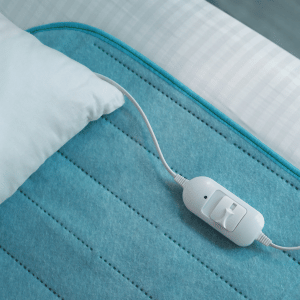
One of the most common ways to deal with sore muscles is to reach for a heated throw or heating pad. These can be used at home, and in the office and can even be patches applied to the body for the on-the-go. They’re comfy and cozy and a simple way to add some heat while relaxing and sitting/lying down. This is a great method for helping with covering different parts of the body all at once, given its physical size. Be mindful of heating pads and heating blankets to ensure they’re safe and secure and not a fire risk in your space. This is also a common method that can be helpful for those who live with rheumatoid arthritis.
It is thought that moist heat is often more effective for treating pain. Moist heat treatments penetrate the skin deeper, which, in turn, gets to the tissue quicker and provides deeper heat. Both are effective for pain management, moist heat is typically quicker to get relief and results.
Taking a Hot Shower or Hot Bath

A simple way to engage in heat therapy is to take a hot shower or hot baths. This can be especially restorative after a poor sleep to help with not only providing relaxation for the mind but also for sore joints. A warm shower not only helps with addressing pain points but also with helping ease your central nervous system. It can slow down your system and provide deeper breathing, which can help with relaxation and with your body letting go of tension. It also helps with slowing your heart rate, which can help with encouraging relaxation. You don’t need a long shower or bath; even just 10-20 minutes can really help the body and help you feel less pain. Ensure you do not take a shower or bath if you’re feeling sleepy and at risk of falling asleep; pay close attention to how you’re feeling.
Steamed Towels

Another quick and easy way to address joint pain and muscle stiffness is to steam and warm towels. This can be done in the oven, with a towel warmer, or the dryer. Ensure exercising caution to avoid burns, as well as engaging in safely warming towels. This can replace heating pads and can be reheated as needed for interval pain management.
When steaming towels, this can be done in the oven by soaking a towel and then placing it in an oven-safe dish, and then putting it into the oven at a low temperature and checking often. Ensure you are watching and mindful of steaming towels in the oven with fire safety and ensuring it remain safe while warming. Also, be careful once towels are removed to ensure you don’t place it right on your skin causing burns. You can warm towels in the dryer as well and use a professional towel warmer machine.
Infrared Saunas
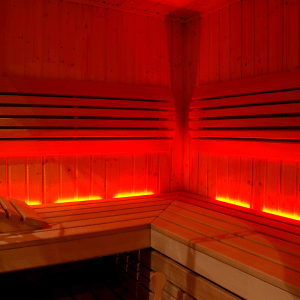
Infrared saunas are great for nerve pain management; they provide soothing relief for tired, sore, and achy nerves and muscles. It helps with increasing blood flow, which, in turn, helps with lessening the feeling of pain and pressure felt on nerves. Infrared saunas also help with reducing inflammation, which can be helpful with nerve pain felt by those living with fibromyalgia. You can use an infrared sauna a couple of times a week for 10-15 minutes to start and work your way up to 20-30 minutes. Ensure to speak with a medical professional if you have questions about infrared saunas and your health.
Lifestyle Changes with Heat
When it comes to “Does heat help with fibromyalgia pain?” Yes, it does, but not without some changes to routines and building-in-heat routines. What is meant by this? Well, using heat one time may provide temporary relief of sore joints; however, ongoing pain may not be addressed. Introducing heat routines, such as after work using a heating pad or taking a shower, can help with routinely providing heat therapy. This can help with reducing pain felt in trigger points and taking down pain levels overall. As this is a chronic condition, it’s about finding ways to manage it and improve the quality of life where possible.
Summary
Heat therapy can be a great option for the treatment of fibromyalgia nerve pain. There are many ways to utilize heat at home, on the go, or in infrared saunas. It’s great for varying levels of pain and can help improve the quality of life for some with fibro pain. The goal of heat is to help with working towards less pain, and this is often achieved with heat routines incorporated into your treatment plan with medical professionals to address chronic widespread musculoskeletal pain. Have you used heat therapy for your fibromyalgia pain?

Leave a Reply